Journaled Flowers Vol. 17 | Vintage Paper Collection
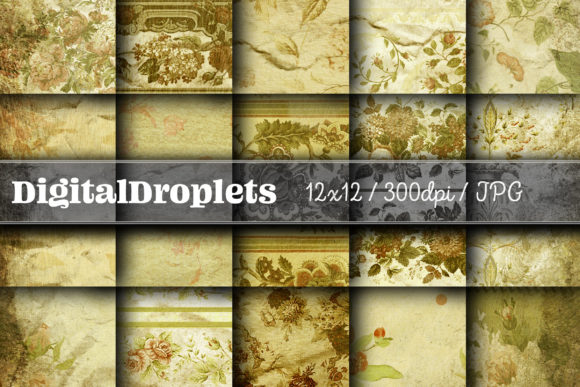
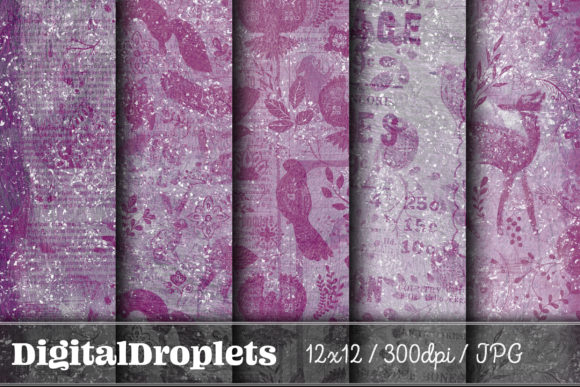
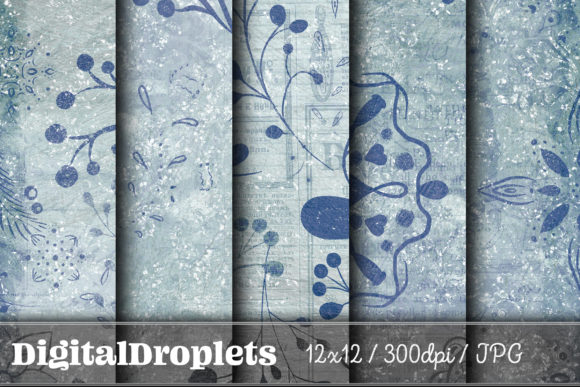
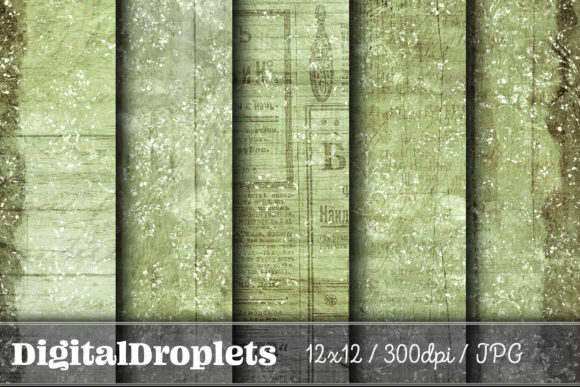
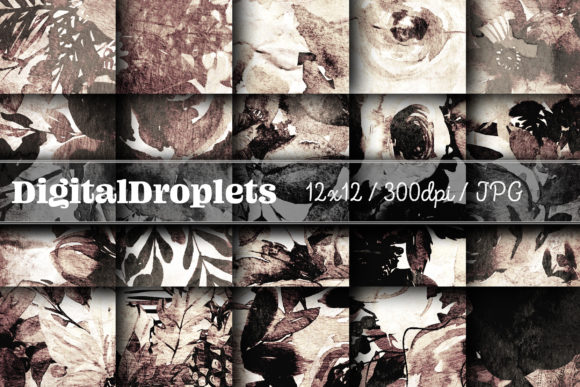
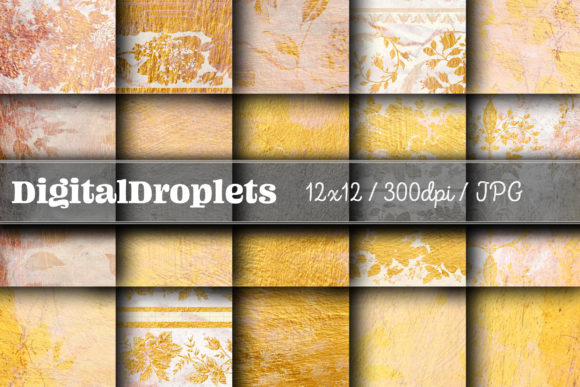
The right texture can transform a flat design into a tactile experience, instantly evoking a specific mood or era. For designers and creatives seeking to inject authentic vintage character into their work, the Journaled Flowers Vol. 17 | Collection offers a curated solution. This set of ten 12×12, 300dpi papers features distinct floral patterns overlaid on crinkled paper textures, providing a foundation for projects that demand a used, antique, or handcrafted aesthetic.
Understanding the Asset: Beyond Basic Florals
Each paper in this set is more than a simple floral print; it's a layered composition. The underlying crinkled texture adds depth, grain, and visual interest that flat digital files often lack. This detail is crucial for creating realistic mockups, compelling backgrounds, and physical products where a sense of history is desired. The vintage feel is consistent across the collection, ensuring visual harmony when multiple pages are used within a single project, such as a scrapbook or junk journal.
From a professional standpoint, assets like these are invaluable for specific design contexts. They excel where modern, clean-cut graphics would feel out of place. Think of branding for a boutique tea shop, packaging for artisanal goods, or social media content for a heritage brand. The texture immediately communicates values of craftsmanship, nostalgia, and authenticity.
Practical Applications in Professional Design
The versatility of this paper set extends across numerous creative and commercial domains. Its value lies in its ability to serve as a foundational element that can be adapted, cropped, and integrated into larger visual systems.
- Brand Identity & Collateral: Use these textures as subtle backgrounds for business cards, letterheads, and thank-you notes for brands with a vintage or botanical identity. They add a tactile quality to print design that enhances brand perception.
- Marketing & Advertising: Create standout social media graphics, email newsletter headers, or promotional posters. The organic, imperfect texture helps designs break through the noise of polished digital content, fostering a sense of genuineness.
- Editorial & Web Design: Incorporate the patterns as section backgrounds in magazine layouts, blog designs, or website hero images. They provide visual interest without overwhelming typography and help establish a clear visual hierarchy.
- Packaging & Merchandise: Design unique product labels, wrapping paper, or custom washi tape. The floral and textural elements are ideal for physical goods, enhancing the unboxing experience and supporting a premium price point.
Integrating Textures into Your Design Workflow
Effective use of textured assets requires thoughtful integration. Simply dropping a pattern behind content can lead to clutter and reduced readability. Consider these tips for seamless incorporation:
- Prioritize Legibility: When using these papers as backgrounds for text, apply a semi-transparent overlay or use them in areas with minimal copy. Pair them with clean, sans-serif typography to create a compelling contrast between old and new.
- Maintain Consistency: While the set offers variety, select a few papers that share a similar color temperature or intensity to use across a cohesive project. This ensures brand consistency across all touchpoints, from digital ads to printed tags.
- Scale and Crop Strategically: Don't feel confined to using the full 12x12 inch page. Zoom in on a particularly interesting texture detail or crop a section to create a unique shape or washi tape strip. This maximizes the utility of the asset.
- Combine with Other Elements: Layer these textures with solid color blocks, line art, or other subtle patterns. This builds complexity and depth, aligning with modern design trends that embrace mixed-media aesthetics.
The inclusion of high-resolution, 300dpi JPEG files ensures these assets are print-ready, making them suitable for professional output without quality loss. For those working on extensive projects, it's worth noting this volume is part of a larger 20-paper collection, offering expanded creative possibilities.
Ultimately, investing in high-quality, specialized creative assets like the Journaled Flowers Vol. 17 | Collection is an investment in visual storytelling. It allows designers to efficiently produce work that is not only aesthetically pleasing but also rich in context and emotion. By thoughtfully selecting and applying such resources, you can elevate your projects from merely functional to memorably evocative, strengthening communication and leaving a lasting impression on your audience.