Olden Damask Paper Vol. 7 | Vintage Textures for Design
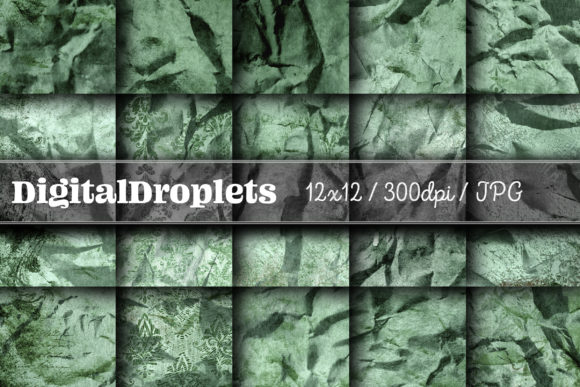
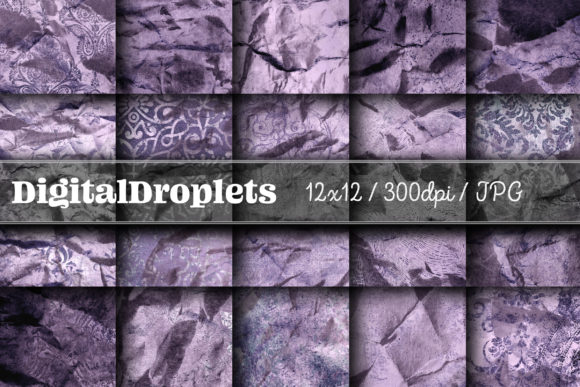
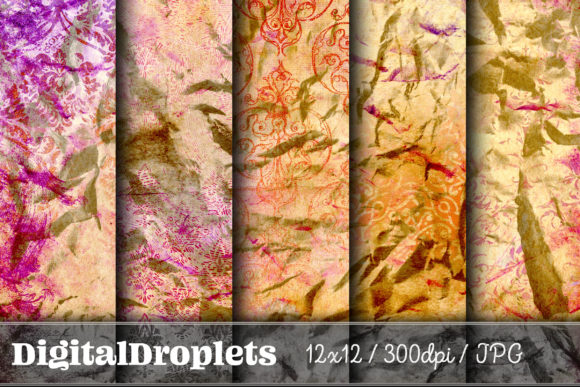
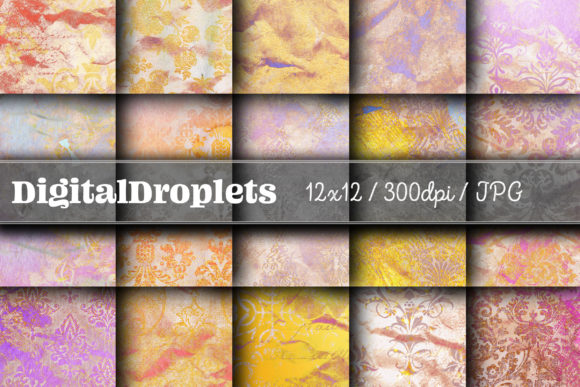
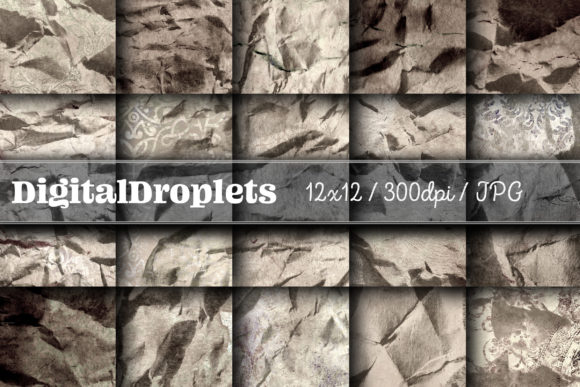
Discover a collection that bridges the elegance of historical ornament with the tactile, weathered charm of age. The Olden Damask Paper Vol. 7 | Collection offers a unique set of 10 vintage-style papers, each featuring a distinct damask pattern layered with authentic, crumpled paper textures. This isn't just another digital background; it's a versatile creative asset designed to inject immediate character and depth into a wide array of projects, from personal scrapbooks to professional brand identities.
Understanding the Asset: More Than Just a Background
At its core, this collection is a study in layered visual storytelling. Each 12×12 inch, 300dpi JPEG file combines two powerful visual elements: the intricate, flowing lines of classic damask and the imperfect, nostalgic feel of aged paper. This fusion creates a surface that feels both sophisticated and lived-in. For designers, this means instant visual hierarchy and texture without hours of manual work. The vintage papers blended into the damask patterns provide a muted, organic color palette that works harmoniously with typography and imagery, making it an excellent foundation for graphic design projects requiring a touch of heritage or artisanal quality.
Practical Applications in Modern Design Workflows
The true value of a resource like the Olden Damask Paper set lies in its adaptability. It’s a problem-solver for creators seeking to enhance visual communication with warmth and authenticity.
- Branding and Identity: Use these textures as subtle background layers in logo presentations, business cards, or brand style guides to communicate tradition, luxury, or handcrafted quality. They are particularly effective for brands in the artisanal food, boutique retail, wedding services, or heritage product sectors.
- Marketing and Social Media: Create scroll-stopping social media graphics, story templates, or ad backgrounds. The textures add a tactile quality that digital screens often lack, helping to increase engagement and convey a premium feel for your digital marketing efforts.
- Print and Packaging Design: Apply the papers as full backgrounds for invitations, greeting cards, or product packaging. The high resolution ensures they scale beautifully for print design, adding a tangible, luxurious quality to physical items.
- Editorial and Web Design: In editorial layouts or web design, use them as section dividers, featured image backgrounds, or overlay textures to break up flat digital surfaces and guide the viewer's eye through the content.
Tips for Effective Integration
To maximize the impact of these assets, consider them as part of your broader design workflow. Here’s how to select and use them effectively:
- Assess Your Color Palette: The papers feature vintage, often muted tones. Test them with your brand's color palette to ensure harmony. They can serve as a neutral base or a contrasting accent.
- Layer with Purpose: Don’t just place them flat. Use blending modes (like Multiply or Overlay) in your design software to let underlying colors and textures interact with the paper, creating unique, custom effects.
- Consider Readability: When placing text over the textured patterns, ensure strong contrast. Use solid color blocks, subtle drop shadows, or lighter areas of the paper to maintain visual hierarchy and legibility.
- Scale for Impact: The 12×12 format is ideal for square formats, but don't hesitate to crop sections for banners, tags, or washi tape strips. The detailed texture holds up well at various scales.
In an era of clean, minimalist modern aesthetics, the strategic use of texture and historical reference can make a design memorable and emotionally resonant. The Olden Damask Paper Vol. 7 | Collection provides a curated shortcut to that effect. By thoughtfully integrating these assets, you can elevate your creative projects, strengthen brand identity, and produce work that feels both professionally polished and richly authentic. Quality design assets like these don't just fill space; they tell a story and create a mood, which is the ultimate goal of effective visual communication.